
Recently on Ticker News, I was asked how historical housing trends have shaped buyer behaviour and what they reveal about the market cycle we are entering now.
The answer is simple:
Property has always followed people’s evolving needs.
Markets don’t shift randomly. They evolve as our lifestyles, values and priorities change, and these cycles generally last approximately 20 years or thereabouts.
1980–2000: The Bush Culture
From the 1980s through to 2000, we saw what I call the Bush Culture.
This was an era defined by structure and simplicity:
- Monday to Friday, 9–5 working life
- One primary income household in many cases
- Entertaining at home
- Backyard barbecues and family gatherings
Homes were designed around stability and space. Large blocks, substantial family homes and generous backyards performed extremely well during this period.
Lifestyle was centred around the home, and property reflected that.
2000–2020: The Lifestyle Culture
From 2000 onwards, priorities began to shift.
We started:
- Having children later in life
- Working longer hours
- Dining out more frequently
- Valuing proximity to the CBD and lifestyle locations
This ushered in what I call the Lifestyle Culture.
Low-maintenance living became highly desirable. Townhouses, boutique apartments and properties close to cafés, restaurants and transport nodes saw strong performance.
Buyers were choosing convenience over land size.
Location over scale.
Access over backyard.
2020–2040: The Hybrid Culture
The historical shifts tell us one thing very clearly:
Buyer behaviour always follows changing needs.
We are now firmly entering what I call the Hybrid Culture.
The Hybrid Culture is where lifestyle, flexibility and financial performance converge.
Buyers today want homes that:
- Adapt to remote and hybrid work
- Provide space without isolation
- Support multiple life stages
- Deliver strong long-term capital growth
The biggest shift?
Buyers are no longer choosing where to live. They are choosing how to live.
We have moved from CBD-centric to function-centric.
The Question on Everybody’s Lips: What Will Perform Well?
In this new cycle, properties in well-connected outer-city suburbs are predicted to perform strongly.
These locations offer:
- Larger floorplans
- Functional layouts
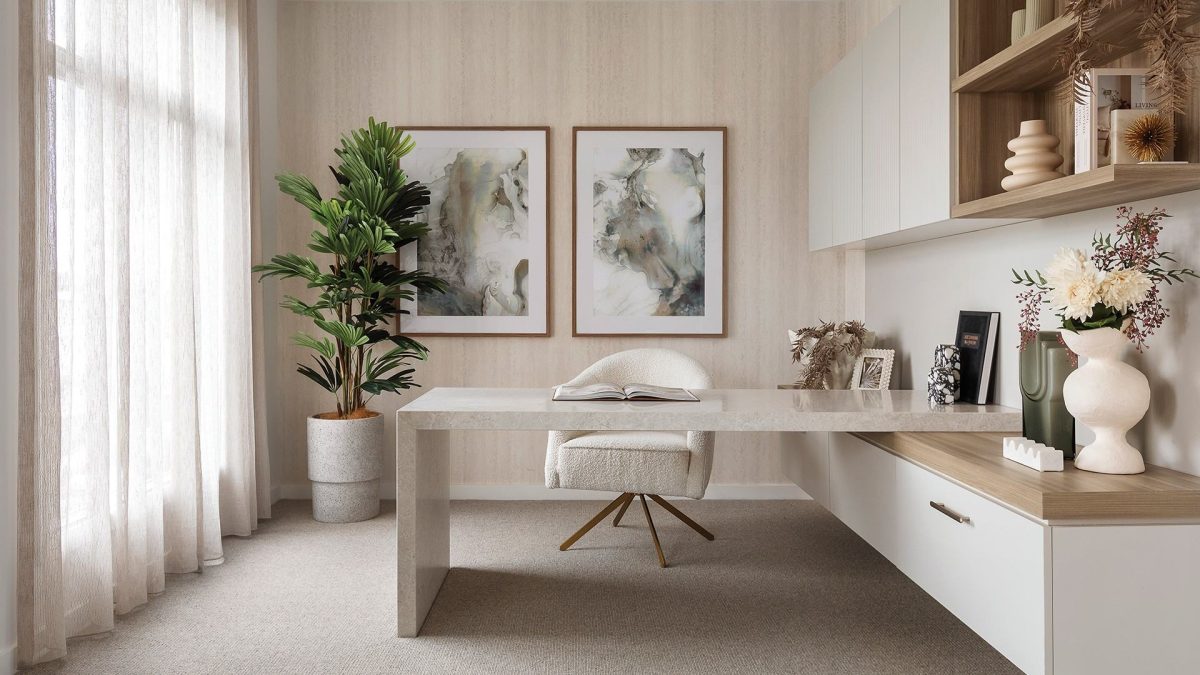
- Home office potential
- Community infrastructure
- Relative affordability compared to inner-city markets
The Hybrid buyer wants flexibility, not compromise.
They want:
- Space for work
- Space for family
- Space for wellbeing
- Without sacrificing accessibility
Properties that “work harder” will outperform properties that simply “look good”.
What Buyers Are Still Getting Wrong
If there’s one consistent mistake I see across all property cycles, it’s this:
Entering the market without a property strategy.
Emotion buys houses. Strategy builds wealth.
Too many buyers focus solely on the property rather than the role that property plays in their broader financial future.
In this next cycle, success will belong to those who:
- Understand demographic shifts
- Buy in alignment with lifestyle evolution
- Assess performance, not just presentation
- Make data-backed decisions
The Opportunity Ahead
Every property cycle rewards those who read the signals early.
The Bush Culture rewarded land and stability.
The Lifestyle Culture rewarded convenience and proximity.
The Hybrid Culture will reward functionality, flexibility and financial alignment.
The question is not simply:
“Where should I buy?”
It’s:
“Does this property support how people will live over the next 10–20 years?”
Because property has always followed people, and people have just changed again.
About the Author
Shannon Koetsveld is the founder of The Property Effect and a Melbourne-based buyer’s agent who helps clients purchase property with clarity and confidence. She provides strategy and due diligence support, guiding buyers to make informed decisions aligned with their long-term financial goals. Shannon works closely with home buyers and investors to reduce stress, manage risk and secure properties that support both lifestyle and performance.
To contact Shannon Koetsveld, click here.