
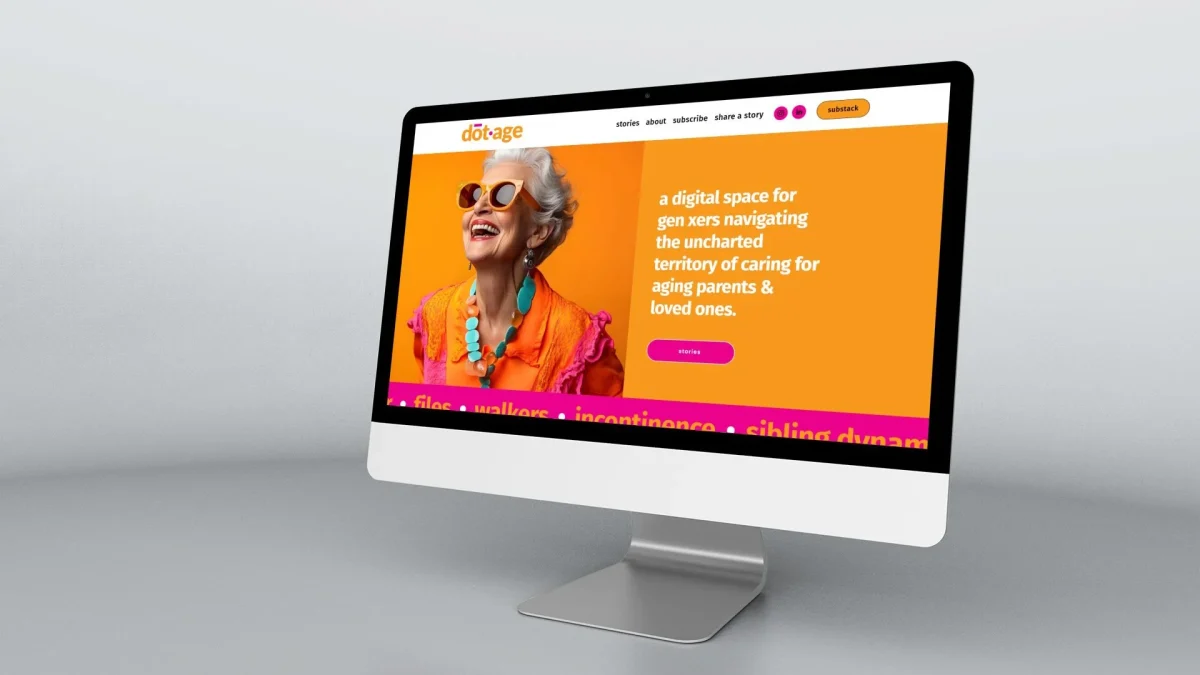
A website’s hero section is the first thing visitors see when they land on your page. It sits “above the fold” and sets the tone for everything that follows. Done well, it immediately communicates what your business offers, who it’s for, and what action the user should take next.
A website hero section usually includes a strong visual, a headline, supporting text, and a call-to-action (CTA). Think of it as your website’s elevator pitch: your digital first impression and the point where users decide whether to stay, scroll, or leave.
Why is a hero section so important?
The hero section plays a critical role in capturing attention and guiding user behaviour. Visitors often make snap judgements within seconds, so clarity and impact matter.
A strong hero section helps reduce bounce rates, builds trust, and directs users towards key actions, whether that’s making an enquiry, booking a service, or exploring your offerings further.
It’s not just about looking good; it’s about communicating value quickly and effectively.
The key elements of a hero section
Hero image or visual
The visual element is often what draws users in first. There are several approaches you can take, depending on your brand, goals, and available assets. The key is to choose a style that supports your message rather than distracts from it.
Common hero image options include:
- Full-width hero image: A large, immersive image that spans the screen and creates a strong first impression.
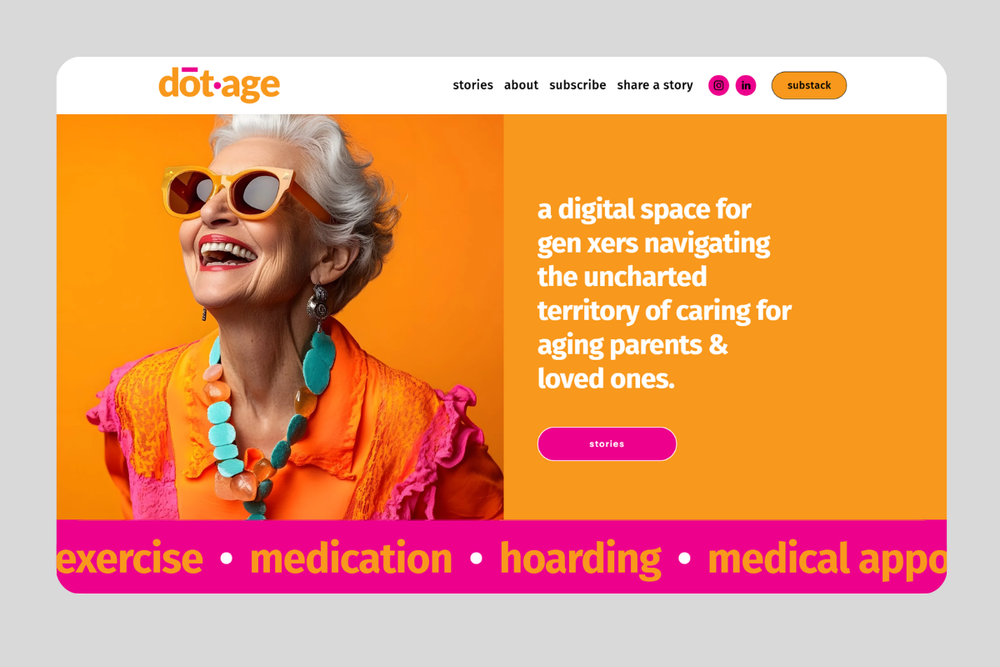
- Split layout: An image on one side, with content on the other, creating a clean and balanced design.
- Slider or collage: Multiple images shown in rotation or grouped together, useful for highlighting different offerings when used carefully.
- Video background: A subtle moving background that supports the message visually without requiring interaction.
- Typography-led design: Strong headlines and clean design without imagery, ideal when your message is clear and confident.
- Brand or graphic elements: Custom illustrations, abstract shapes, or branded visuals that create a distinctive look without relying on photography.
Keep performance in mind when using video. Files should be optimised so they do not slow down your site, and it is important to use a fallback image for mobile devices, where video may not play smoothly. Videos should also remain muted by default.
Brand or graphic elements can work particularly well when you do not have strong visual assets, or when your offering is complex and could be misinterpreted through a single image. This approach allows you to communicate ideas more intentionally through design and messaging.
Supporting imagery and additional content can then be introduced further down the page, once you have established clarity in the hero section.
Remember, your hero visual should enhance your message, guide attention, and reflect your brand, not compete with the content around it.
You can view an example hero page here: PDOG Astrophotography.
Heading and supporting text
Your headline is the core message of your hero section. It should clearly communicate what you do and who it’s for, ideally in a way that speaks directly to your audience’s needs. Clarity is key, so avoid vague or overly clever wording.
Your subheading supports this by adding context, highlighting a benefit, or reinforcing your value. Together, they should quickly answer the visitor’s question: “Am I in the right place?”
Content options to consider include:
- Clear value statement: A direct, benefit-led headline that explains what you offer and who it’s for.
- Tagline: A short, brand-led phrase that captures your positioning or personality.
- Founder or client quote: A short quote that adds a personal, human touch and can introduce values or social proof early.
- Combination approach: A bold tagline or statement as the headline, supported by a clear, descriptive subheading.
SEO considerations
The headline in your hero section is often the H1, but it does not have to be. In some designs, the H1 may sit slightly below the hero section for layout or styling reasons.
If SEO is important, your H1 should include relevant keywords where possible, but it still needs to read naturally and make sense to your audience.
Avoid forcing keywords into your main headline if it compromises clarity. In those cases, you can:
- Use a more natural, user-focused headline in the hero section.
- Include a keyword-optimised H1 slightly below the hero section.
The priority is balance: clear messaging first, SEO second, but ideally both working together.
A strong heading and subheading do not just describe what you do; they position your business and guide users towards taking action.
Call-to-action
The CTA is what turns interest into action. Whether it’s “Book a call”, “Get a quote”, or “Shop now”, it should be clear, visible, and aligned with your business goals.
A strong, focused CTA stands out visually and uses action-oriented language. In many cases, it is helpful to include a primary CTA and, if needed, a secondary option for users who are not ready to commit just yet.
If you include two CTAs, make sure they do not compete with each other. For example, use a filled button for the primary action and a more subtle, outlined style for the secondary option.
Conclusion
In conclusion, a well-crafted hero section balances design and strategy. It captures attention, communicates value, and guides users towards the next step, all within a few seconds, typically 8 seconds.
When these elements work together, your website’s first impression immediately feels more engaging, professional, and effective.
If your website isn’t making the right first impression, it might be time for a refresh.
About the Author
Meirav Dulberg is the founder of Webby Web Design, a Melbourne-based boutique web design and development studio she established in 2007. She combines her background in business strategy, marketing and technical skills to build custom websites (on platforms like Squarespace and Shopify), offering not just design and development, but ongoing support, training and strategic guidance, especially focused on small business owners. Get in touch here